
I am almost 40, and my last body scan put my biological age in my late twenties. Nothing about it is genetic luck or a fancy routine. It comes from a handful of habits I have kept for over four years on the road, and from choosing where I stay around them. Here is all of it, so you can steal what works.
Walk Everywhere
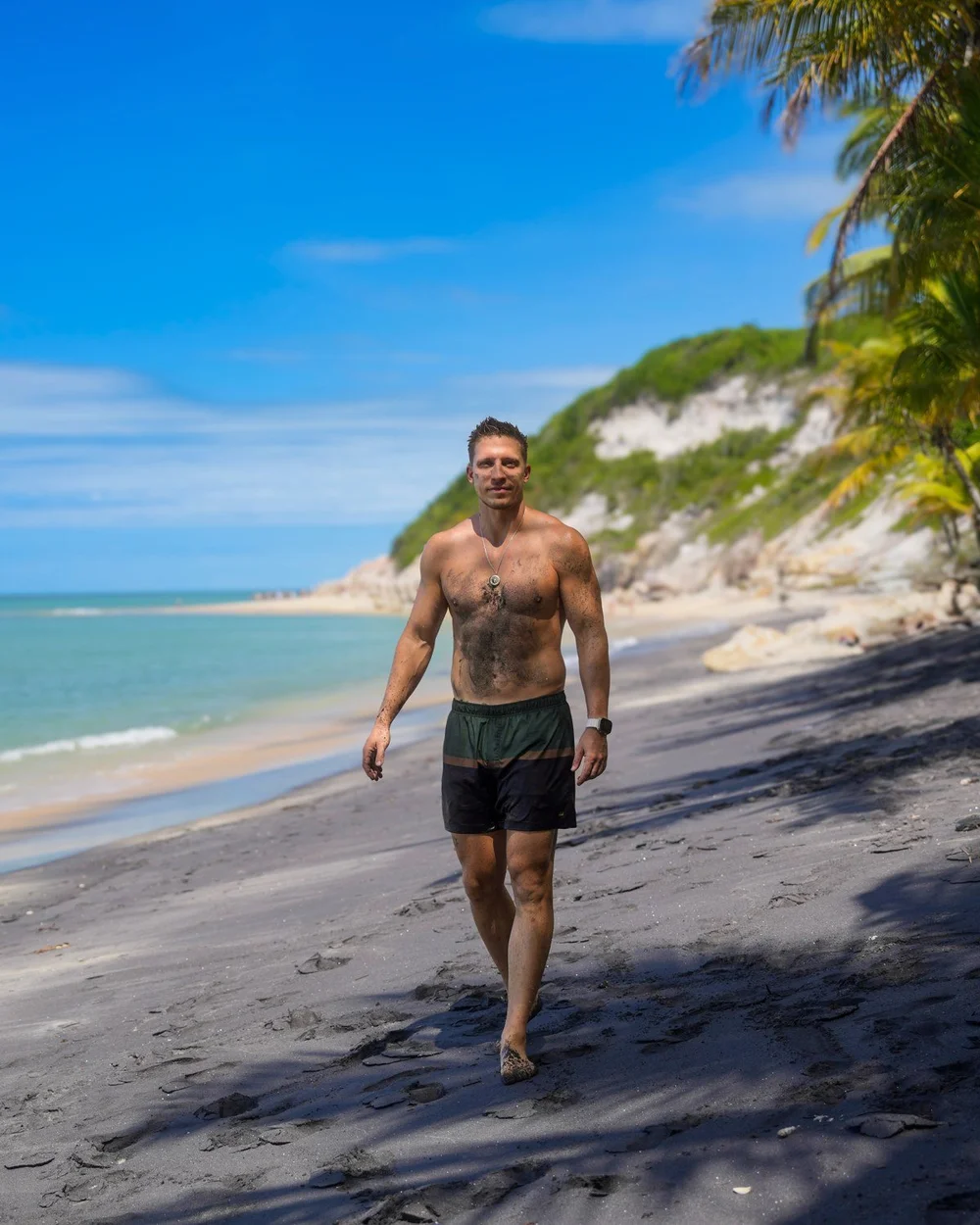
Walking is the easiest win. Aim for at least 10,000 steps a day. In a new city that happens on its own if you stay somewhere walkable, skip the taxi for anything under half an hour and explore on foot first thing. I track mine on an Apple Watch and average a little over 13,000 a day. When I am somewhere on the coast, I walk on the beach as much as I can.
Incline Walk 20 to 30 Minutes a Day
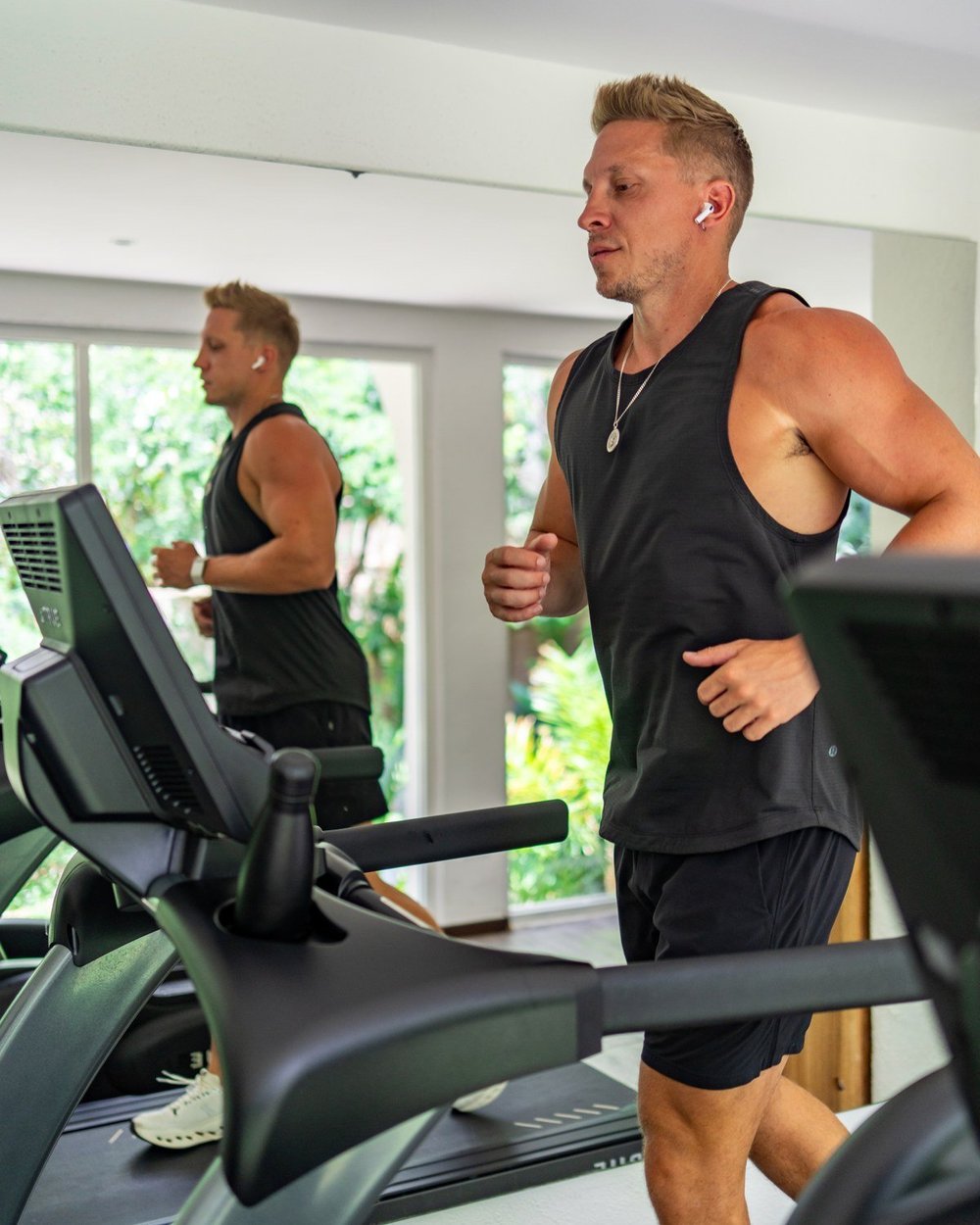
If I could keep only one habit, this is it. Twenty to thirty minutes of incline walking a day is the secret to losing fat and keeping it off. It burns more than flat walking, it is easy on the joints, and you recover from it overnight, so you can do it every day. A treadmill on a 10 to 15 percent incline works anywhere with a gym. No gym? Find a hill, a staircase or a steep neighborhood. Plenty of cities make it easy. I usually do it right after lifting.
Lift Five Days a Week
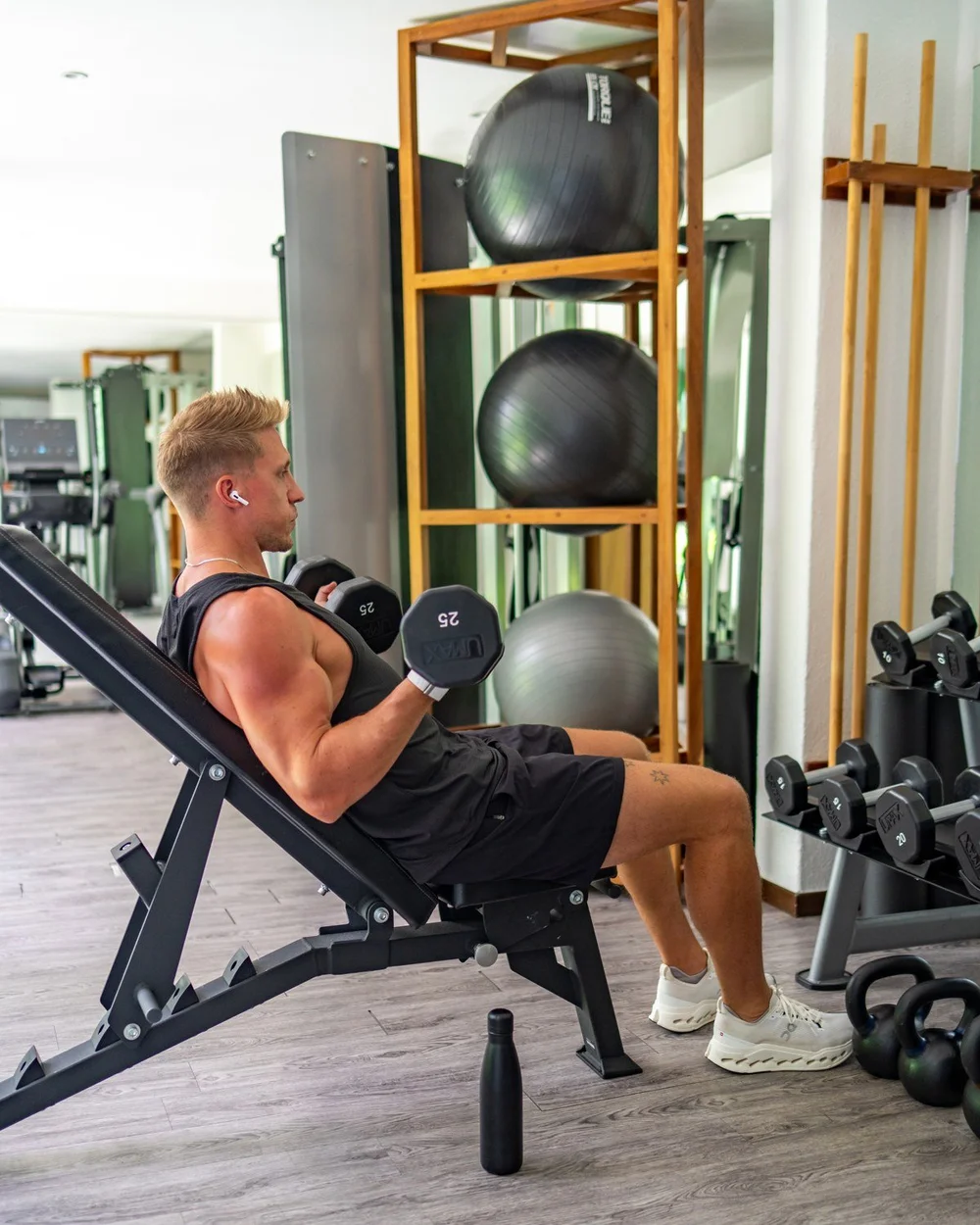
Strength training keeps you in shape when everything else on a trip is irregular. My week:
Three strength days: chest, shoulders and biceps, then back and triceps, then legs
One day for weak points like arms and calves
Reformer Pilates or a stretching class
One full rest day
Working with a local trainer for a month is often cheap abroad and keeps you consistent.
Train Around Injuries, Not Through Them
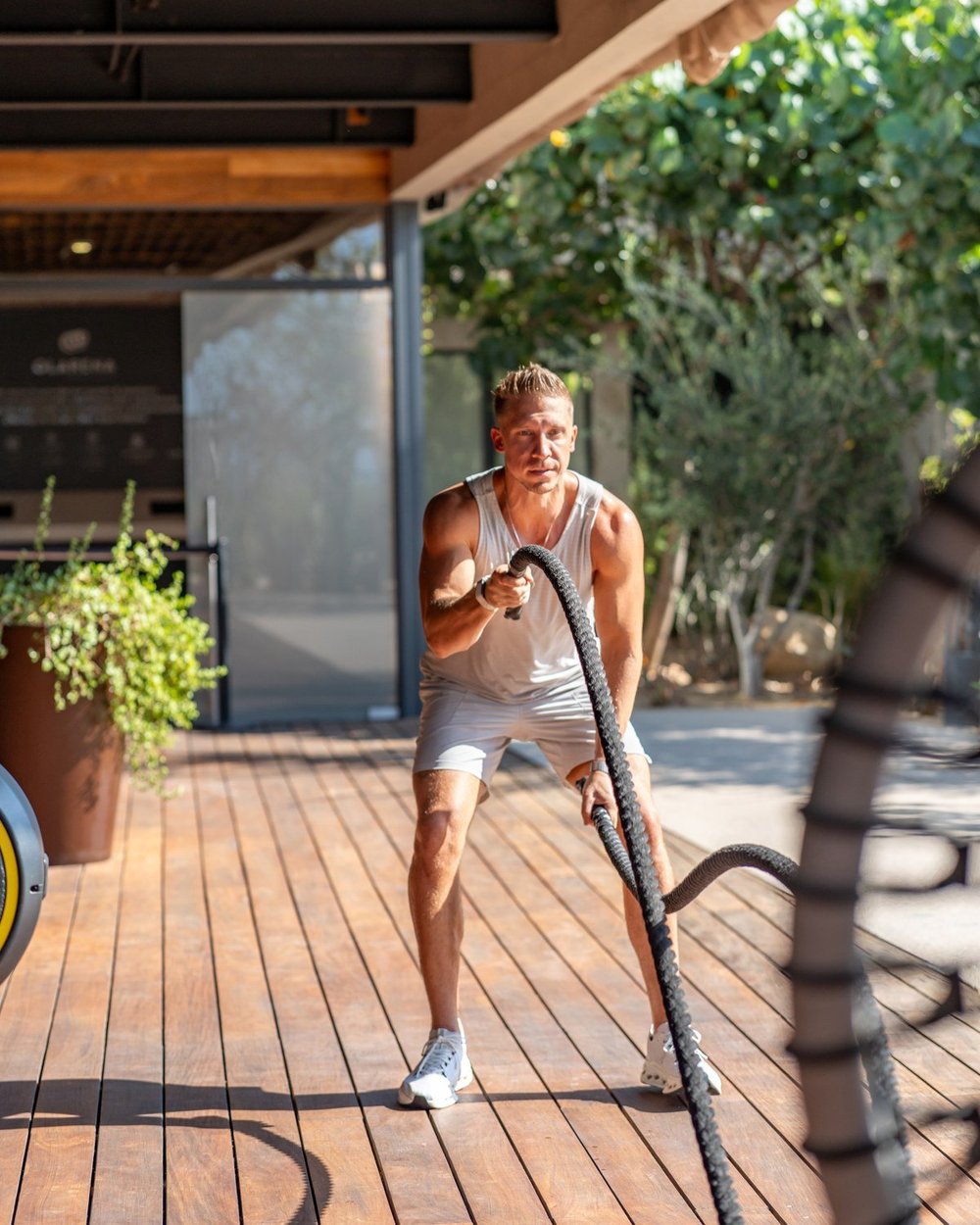
I have a chronic lower back injury, so I skip barbell squats, deadlifts and anything that loads the spine. Machines, cables, leg press, split squats, swimming and walking still cover everything. Ten minutes of mobility in the morning and ten at night make a big difference. If something sends pain down a leg, stop that move. Something is always better than nothing.
Stretch and Recover
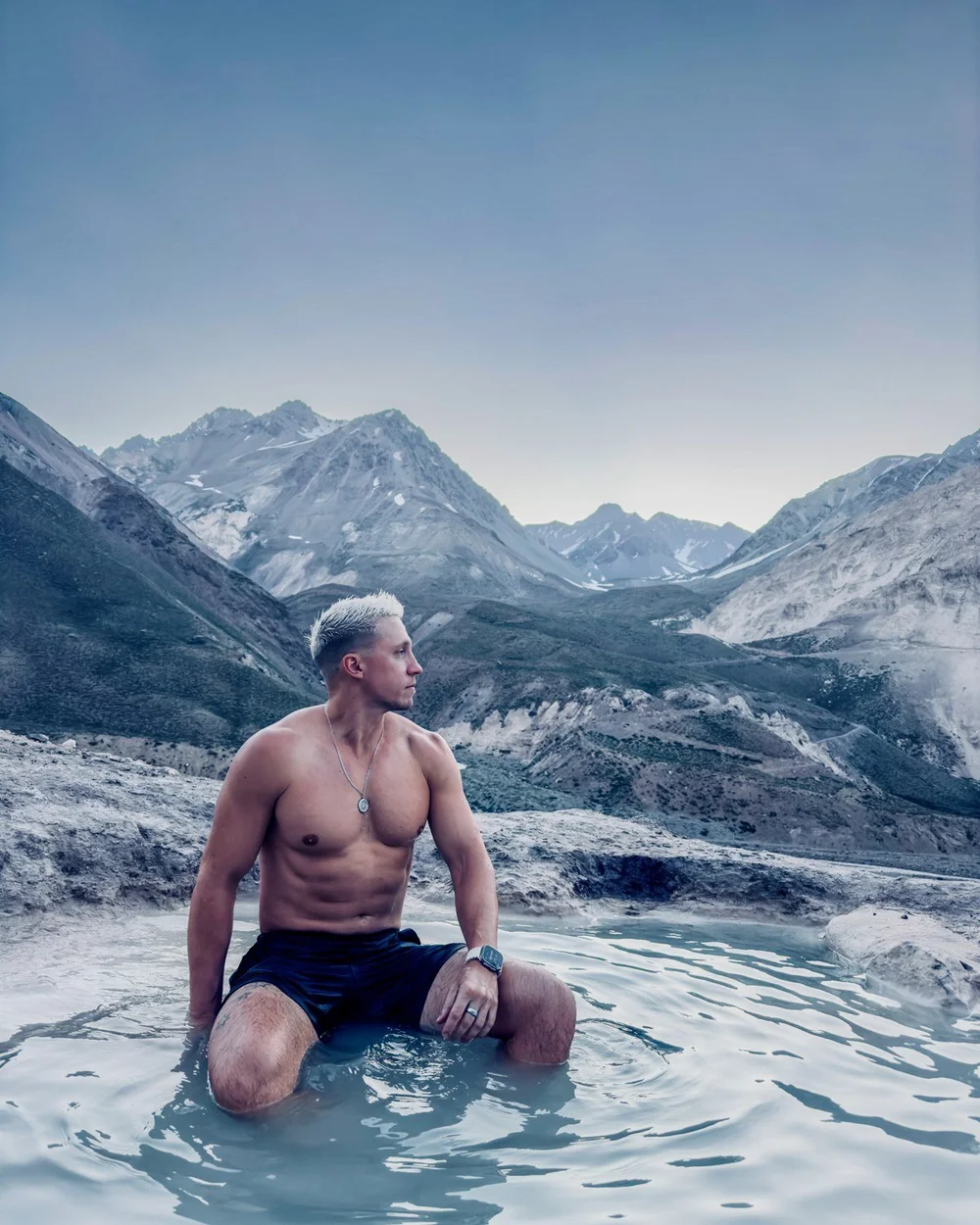
Every training day ends with a cool-down and stretching. In a new city I look for a reformer Pilates studio or a stretching class right away. They are worth seeking out, and they keep my back happy. I also do a short core and balance routine most days.
Pick the Stay Around the Gym
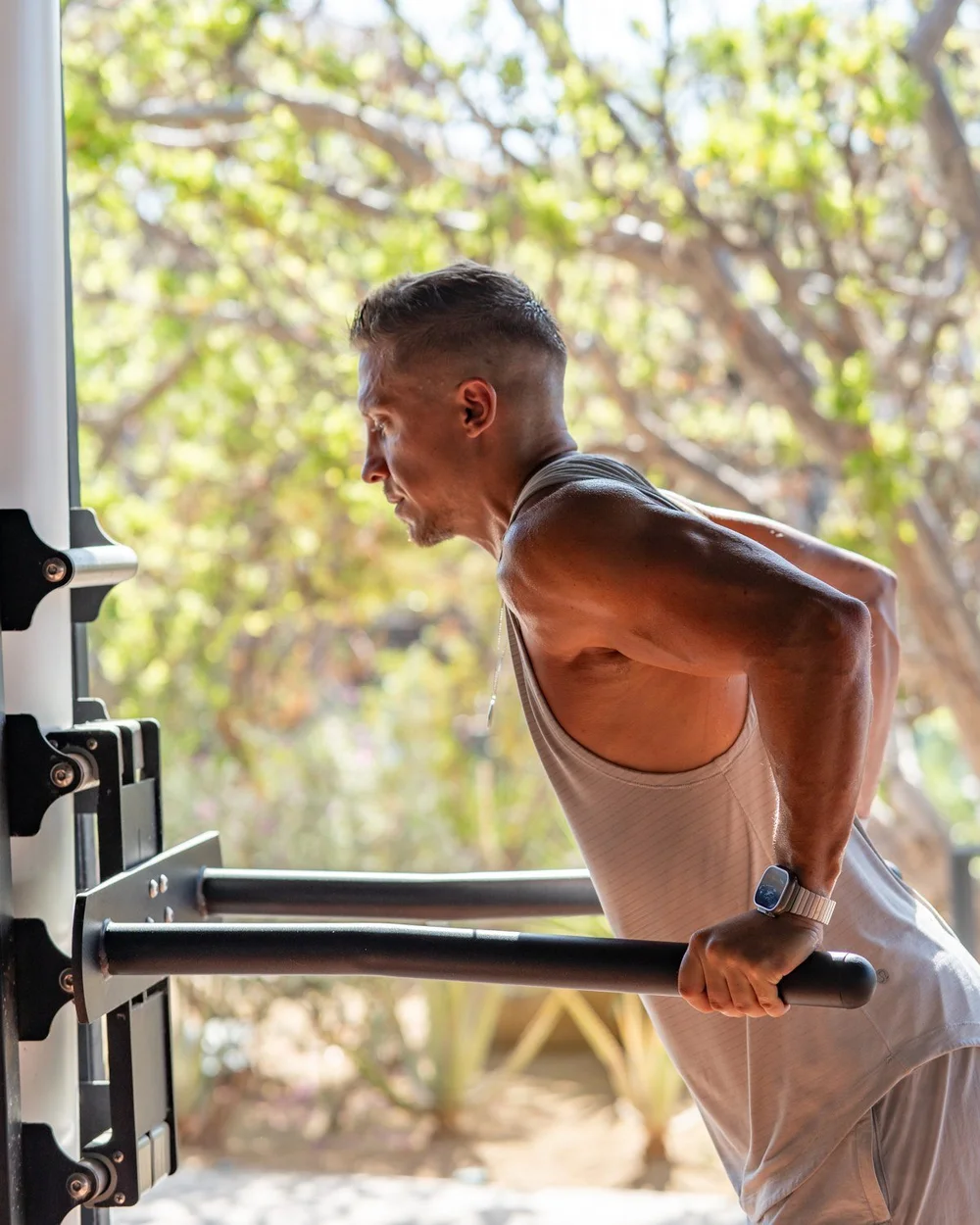
Before I book, I check one thing: a good gym within a 15-minute walk. If there is not one, the apartment, Airbnb or hotel needs a real home gym. A treadmill and two light dumbbells do not count. Most gyms abroad sell day passes or cheap monthly memberships, so ask.
Beat Jet Lag
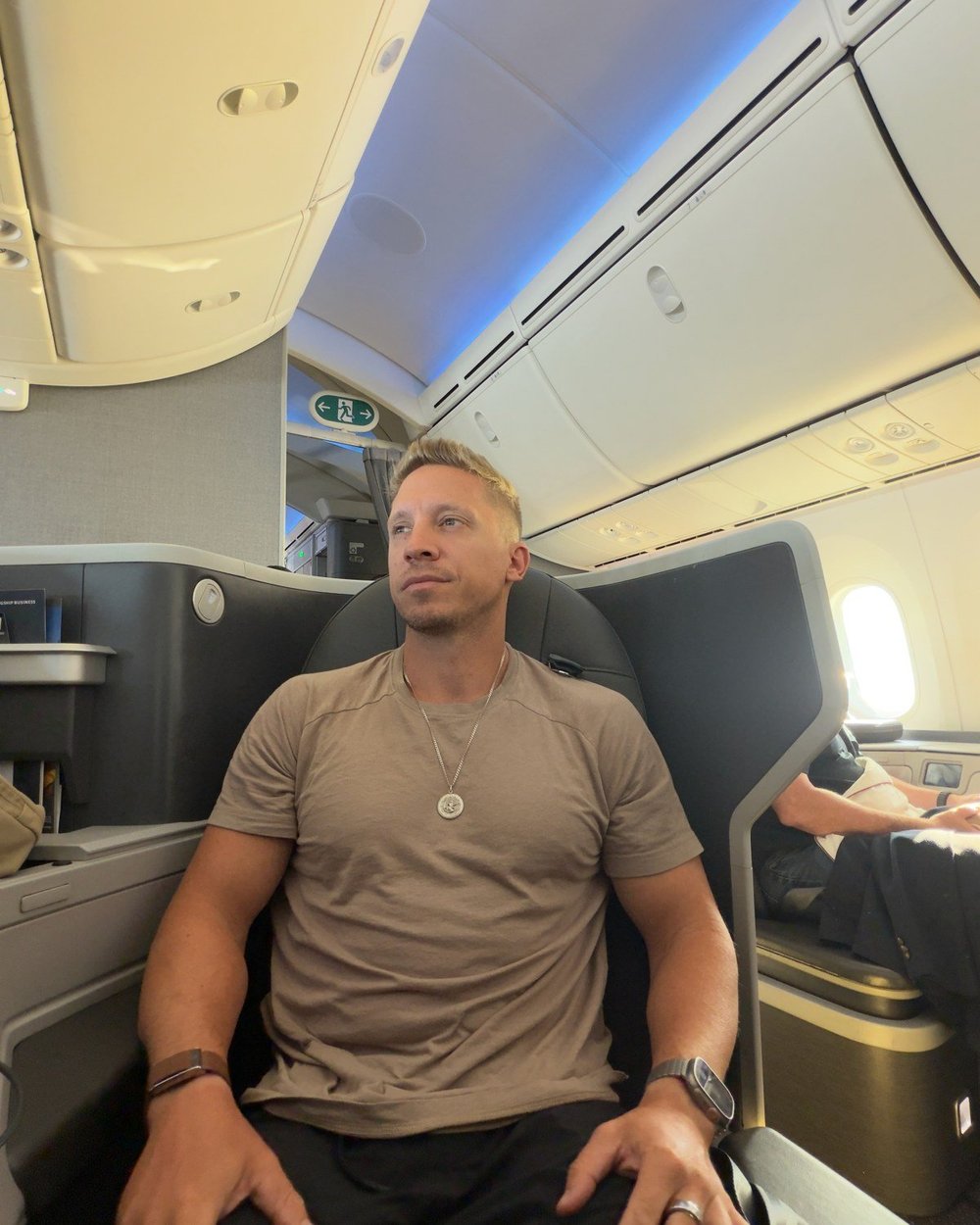
Get on local time the day you land. No matter how tired you are, work out and stay up until nighttime. Sleep on the new schedule from night one.
Get outside in the daylight as soon as you arrive. It resets your body clock faster than anything.
On the plane, eat and sleep on your destination's schedule, not the one you left.
Fly premium economy or business on long-haul flights. It is worth it. Arriving rested makes the first few days of a trip.
Keep the first morning free after a red-eye. No big plans, no early shoots.
Protect Your Sleep
Aim for 7 hours. It is the hardest habit on the road, with jet lag, late dinners and early flights. What helps:
The same wake-up time every day, even after a late night
Daylight first thing in the morning
The phone out of the bedroom
The last meal two to three hours before bed
Blackout curtains, or an eye mask
I track sleep with an Oura ring. When recovery is low, I walk instead of lifting.
Eat Whole Foods and Plenty of Protein

I eat a high-protein diet with as little processed or artificial food as possible. A simple target: about 1 gram of protein per pound of body weight. In some countries I order meal prep delivered fresh to my door, so the protein is handled for the week. Everywhere else I cook it myself, mostly in an air fryer and in batches for the week: steak, chicken or fish, with rice, potatoes and fruit, and most of the carbs around training. Greek yogurt and eggs fill the gaps. The biggest trick: do not buy junk at the grocery store. If it is not in the kitchen, you will not eat it. Then go eat the local food. That is half the reason to travel. One more tip: skip the $7 protein shake at the gym. A fresh juice from a street stand costs a dollar or two.
Daily protein calculator
1 gram of protein per pound of body weight (2.2 g per kilo).
Aim for about — of protein a day.
Take Care of Your Head
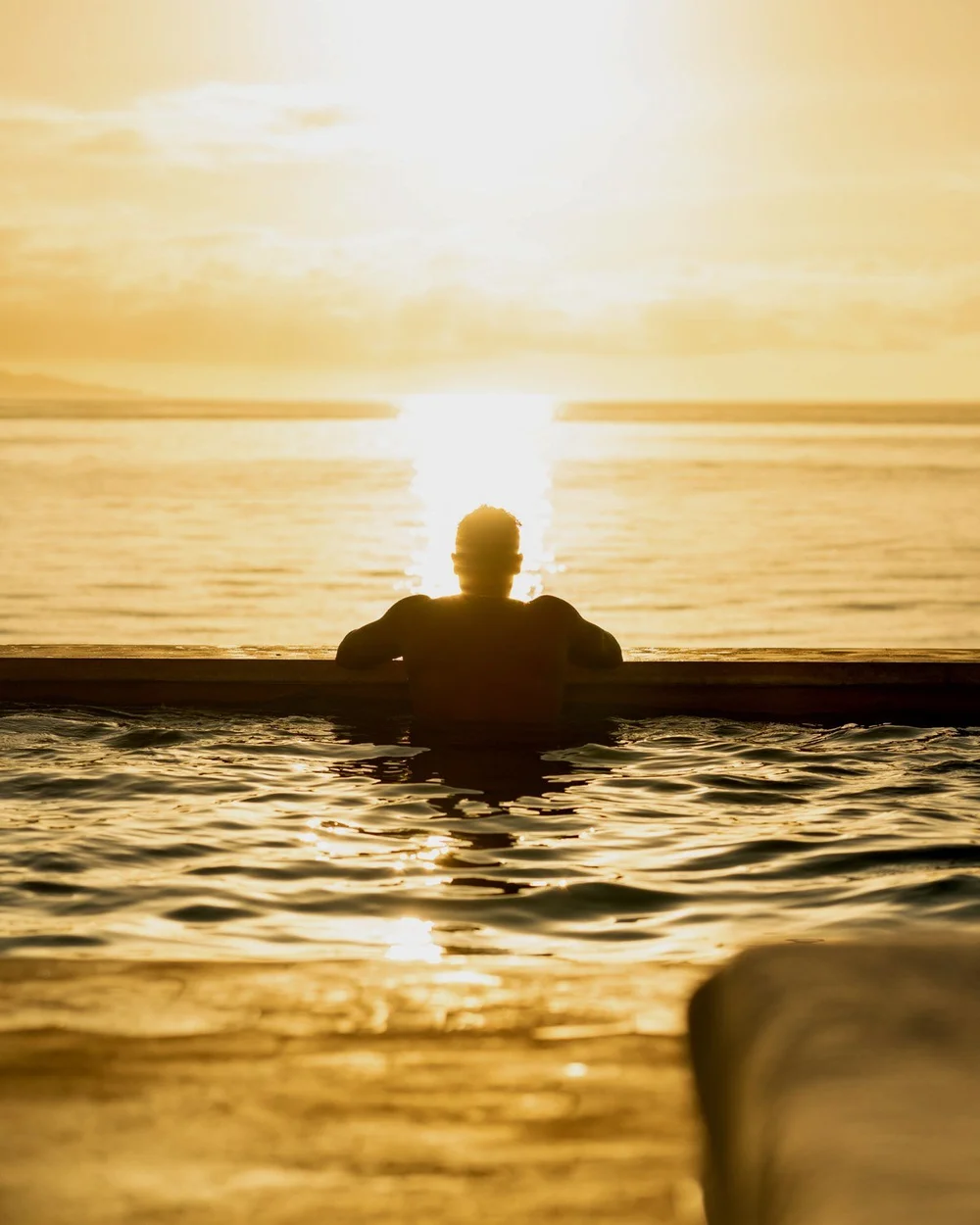
Moving every few weeks is exciting, and it can also be lonely and draining. Four things keep me level:
Meditation: a few minutes before bed. Breathe in for four seconds, out for six, and count to ten, over and over. The Oura app and the Apple Watch both have short guided sessions for travel days.
Sunlight: ten minutes of daylight first thing in the morning. It sets your body clock, helps with jet lag and lifts your mood.
Gratitude: a moment each day to notice what is going right. On the road, there is a lot.
Talking with a therapist: online therapy works from anywhere, and it is one of the best investments I make. Some international health plans even cover a set number of sessions.
Coffee and Caffeine
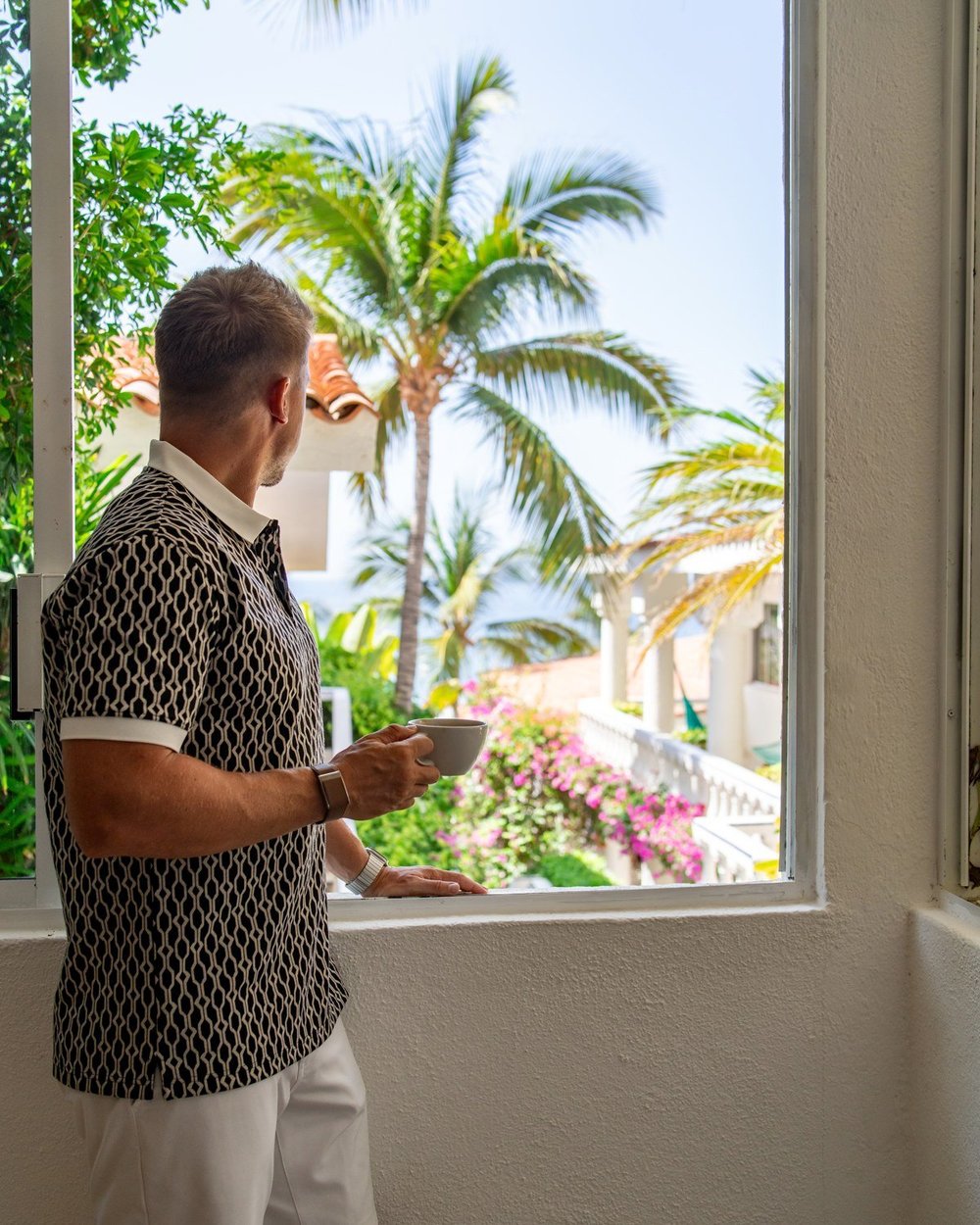
One or two coffees a day, and that is it. Trying the local coffee is one of the best parts of a new country, so I make them count. Sometimes a pre-workout before training. My one rule: no caffeine after noon. It stays in your system for hours, and an afternoon coffee quietly wrecks your sleep that night.
Alcohol
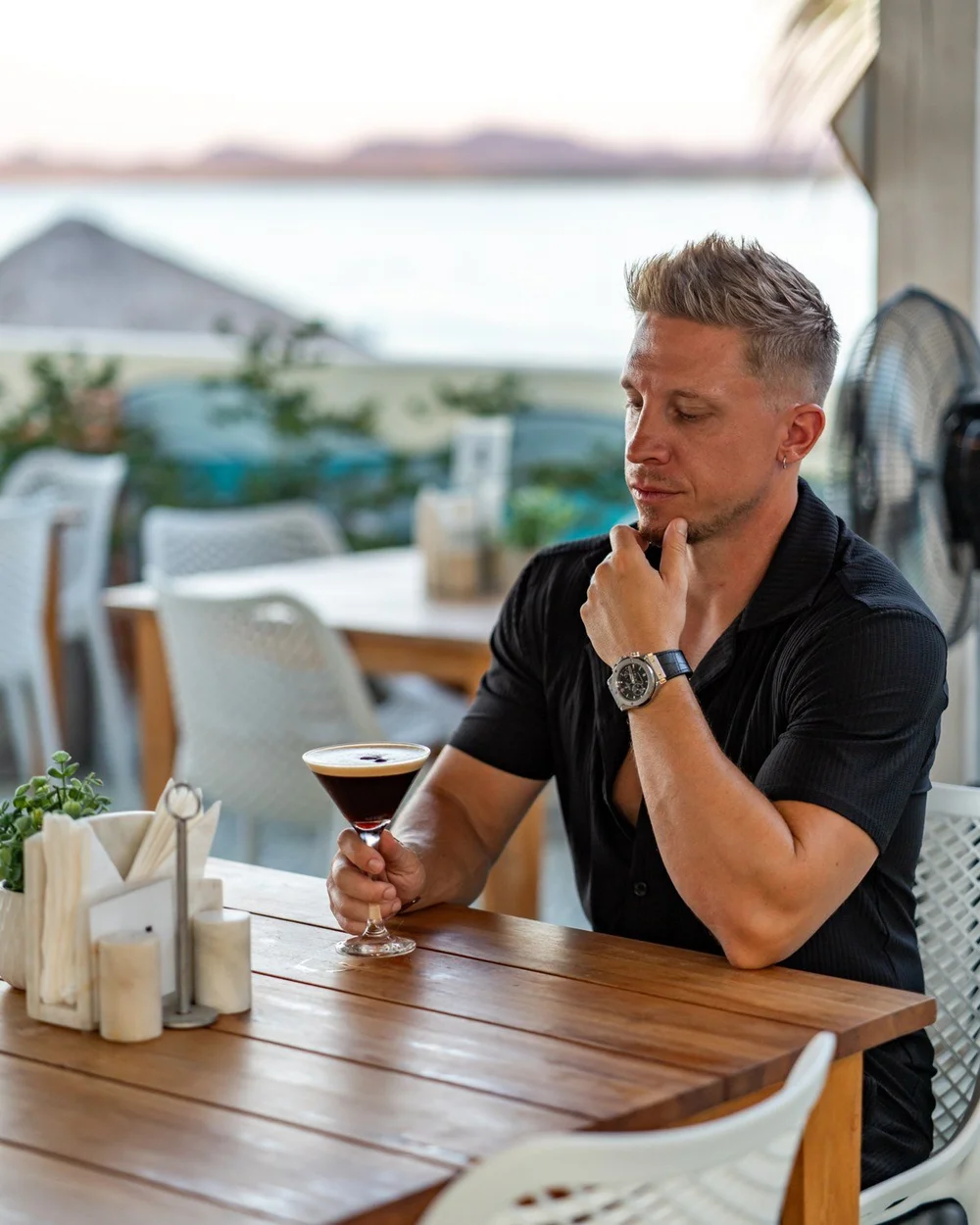
I still like a good night out a few times a month, a caipirinha in Brazil or a whisky in Scotland. I just drink a lot less than I used to.
Skincare

Keep it simple enough to pack in a toiletry bag.
Morning: cleanser, vitamin C serum, moisturizer, and sunscreen SPF 30 to 50 every single day. Sunscreen is the best anti-aging product there is.
Night: wash off the sunscreen, retinol a few nights a week, then a richer moisturizer.
A shout-out to my friend's company, Krete. Their 30-second skincare is a big reason I look ten years younger than I am.
Carry a Water Bottle
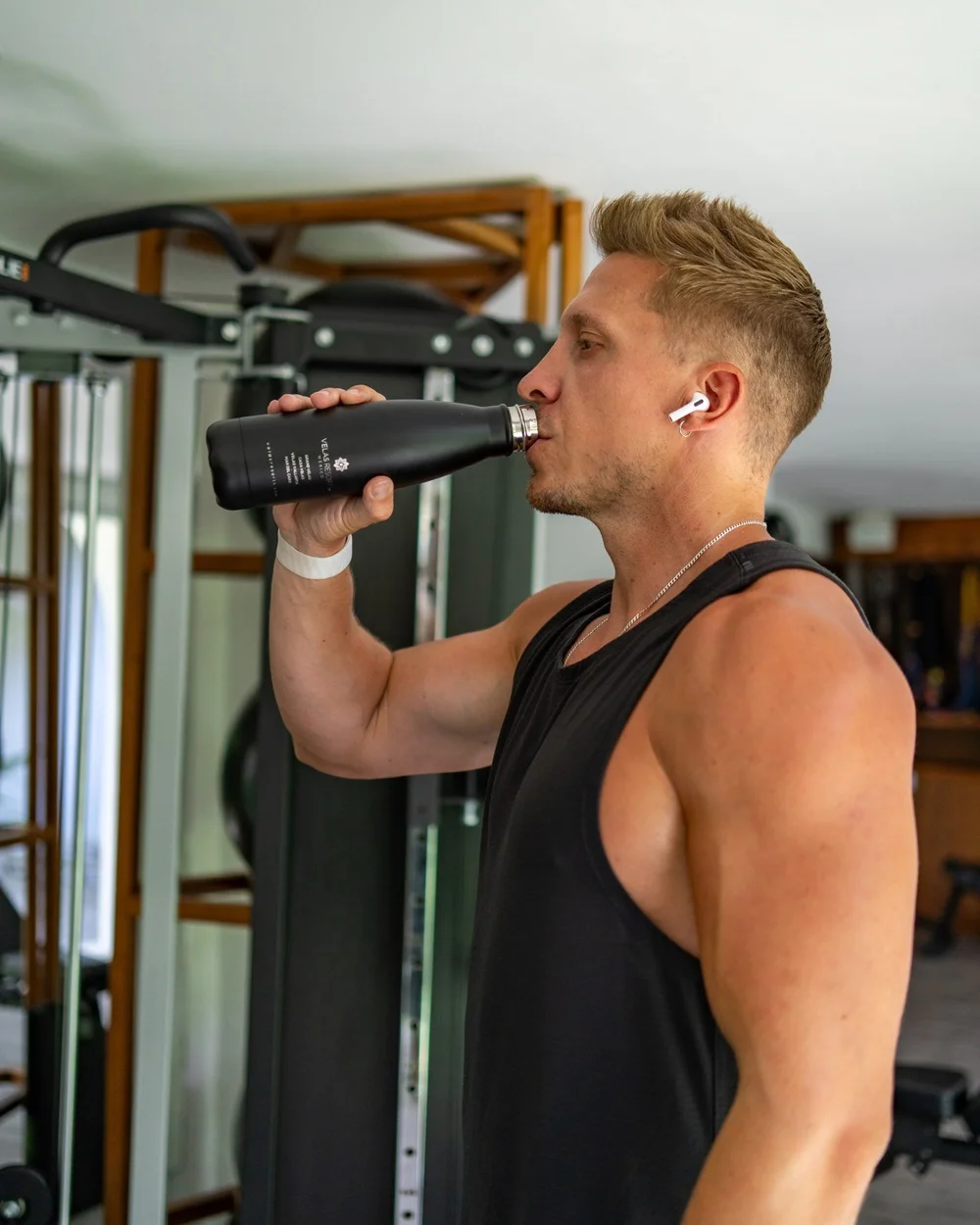
Always have one with you and keep refilling it. Start the day with a big glass of water. Drink more in hot places and on travel days.
Doctors and Healthcare Abroad
Telehealth is a lifesaver. I have used telehealth doctors in Brazil and Singapore, and both were amazing: fast, easy and cheap.
Public healthcare can be free. In Brazil, the public system covers everyone, including visitors. A friend had several minor surgeries there for zero dollars. I had a sinus and ear infection treated for free at a 24-hour hospital.
Private clinics are fast and affordable in much of Latin America and Asia, and labs are a fraction of US prices. A full blood panel in Florianopolis cost me about $180.
Optimize Your Body and Hormones

You cannot improve what you do not measure. Feeling good at 40 comes from testing, adjusting and testing again, not guessing.
Measure your body. Get a body composition scan, like an InBody, every couple of months, on the same machine at the same time of day. It shows muscle and fat, not just weight. Many gyms abroad have one, and it usually costs a few dollars.
Get blood work once or twice a year. Labs abroad are often fast and cheap. Ask for these:
For everyone:
Metabolic health: fasting glucose, fasting insulin and HbA1c
Heart health: a lipid panel plus ApoB, and Lp(a) once in your life
Inflammation: hs-CRP and homocysteine
Organs and blood: a complete blood count and a metabolic panel for liver and kidneys
Thyroid: TSH, free T4 and free T3
Nutrients: vitamin D, B12, folate, ferritin and iron, and an omega-3 index if you can
For men, add:
Total and free testosterone, SHBG and estradiol
LH and FSH
DHEA-S
PSA, from about 40 on
For women, add:
Estradiol and progesterone, timed to your cycle
FSH and LH
Testosterone and DHEA-S
Prolactin
AMH if fertility is on your mind
A full iron panel, since low iron is common
Fix the basics first. Sleep, strength training, enough protein, sunlight and staying lean move your hormones more than any supplement.
Work with a doctor. Take your results to a doctor or a specialist clinic and make a plan together. Hormones are not something to guess at or order online.
Retest and cut what does not work. If a change or supplement does not move a number on the next panel, drop it.
Get Your Labs Done Abroad
Blood work is often faster and much cheaper outside the US. I have had full panels done in Brazil for a fraction of US prices. Test, look at the results with a doctor, then adjust food, training, sleep and supplements instead of guessing.
Health Insurance on the Road
Your US plan usually stops at the border, and regular travel insurance is built for a two-week vacation. If you are moving every few weeks, you need one of two things.
1. Nomad travel medical insurance. Covers accidents, emergencies and evacuation, and renews every month. Cheap and easy, but not built for checkups or ongoing care.
SafetyWing Essential: about $63 every 4 weeks, ages 18 to 39, more after 40. Renews automatically.
Genki Traveler: about €50 to €80 a month depending on age, with a €50 deductible per case.
2. International health insurance. Real health insurance that works worldwide, including doctor visits, specialists and planned care if you add outpatient cover. Costs more, but it is what you want long term.
Cigna Global: roughly $120 to $480 a month at 35 to 40, depending on the tier and modules. I use Cigna Global Silver with outpatient cover, which runs about $300 a month.
IMG Global Medical: roughly $150 to $500 a month around age 40 across its tiers, often cheaper than Cigna.
Allianz Care: roughly $170 to $280 a month at 35 for its core plans.
What I have learned:
Prices jump with age, and most plans exclude the US unless you pay extra for it.
Pre-existing conditions are often excluded. Read that section before you buy.
Outpatient cover is usually an add-on. Without it, doctor visits and labs come out of pocket.
Many plans make you pay first and claim later, so keep every receipt.
Get quotes from two or three companies with your real age, deductible and countries.
Prices are approximate examples from October 2026. Check each insurer for a current quote.
What to Look For When You Book
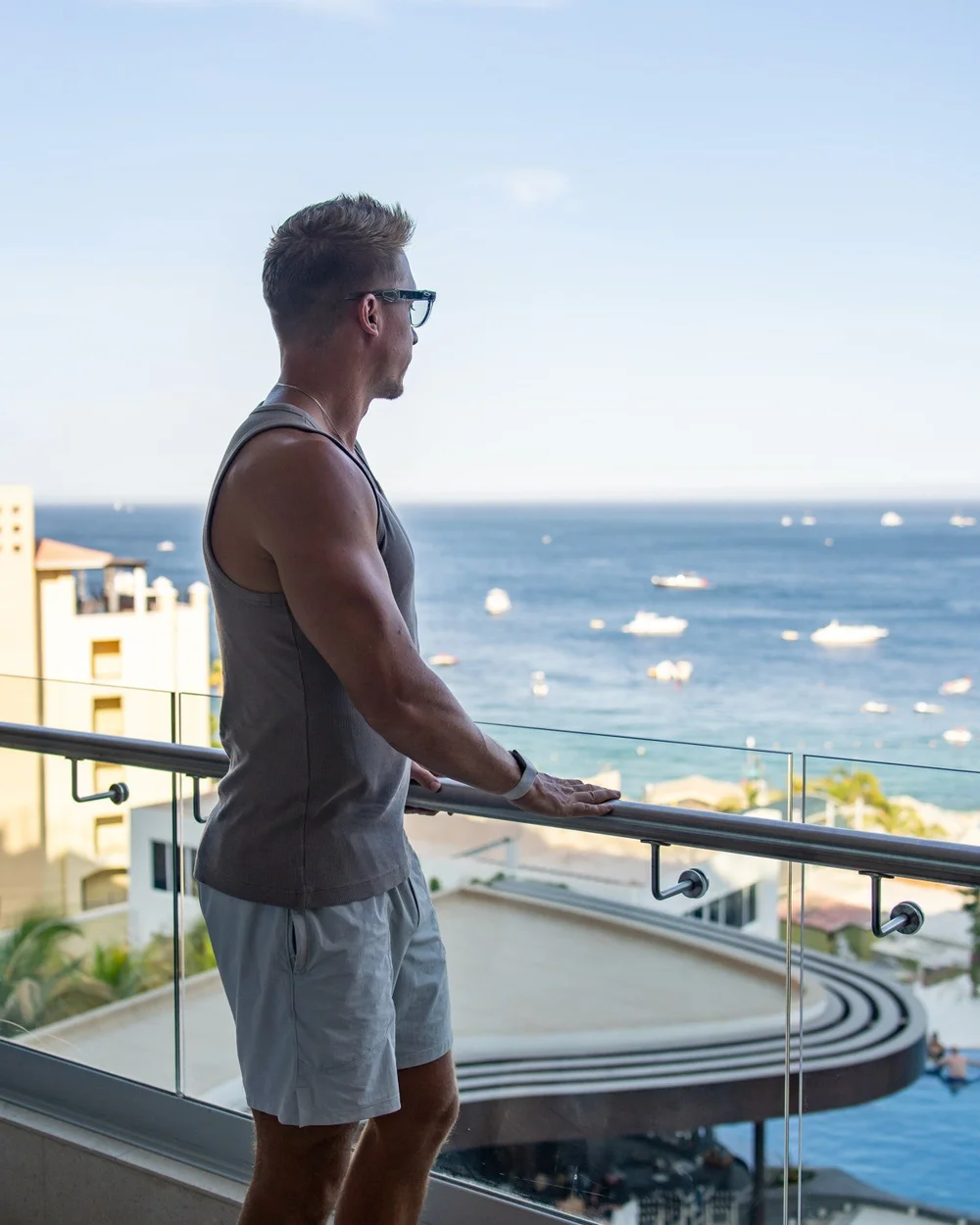
A walkable neighborhood
A gym within a 15-minute walk, or a real home gym
A grocery store nearby
A quiet, dark room to sleep in
Hills, stairs or a pool close by